
Key takeaways
- Brokers have automated pricing, carrier scoring, document handling, and fraud detection; most carriers still run on phones, texts, and manual load-board refreshing.
- An algorithm is already grading every carrier on proximity, equipment, on-time record, and communication — whether they know it or not.
- The dispatcher role isn't disappearing; it's being upgraded. AI handles the repetitive layer so one person can run more trucks.
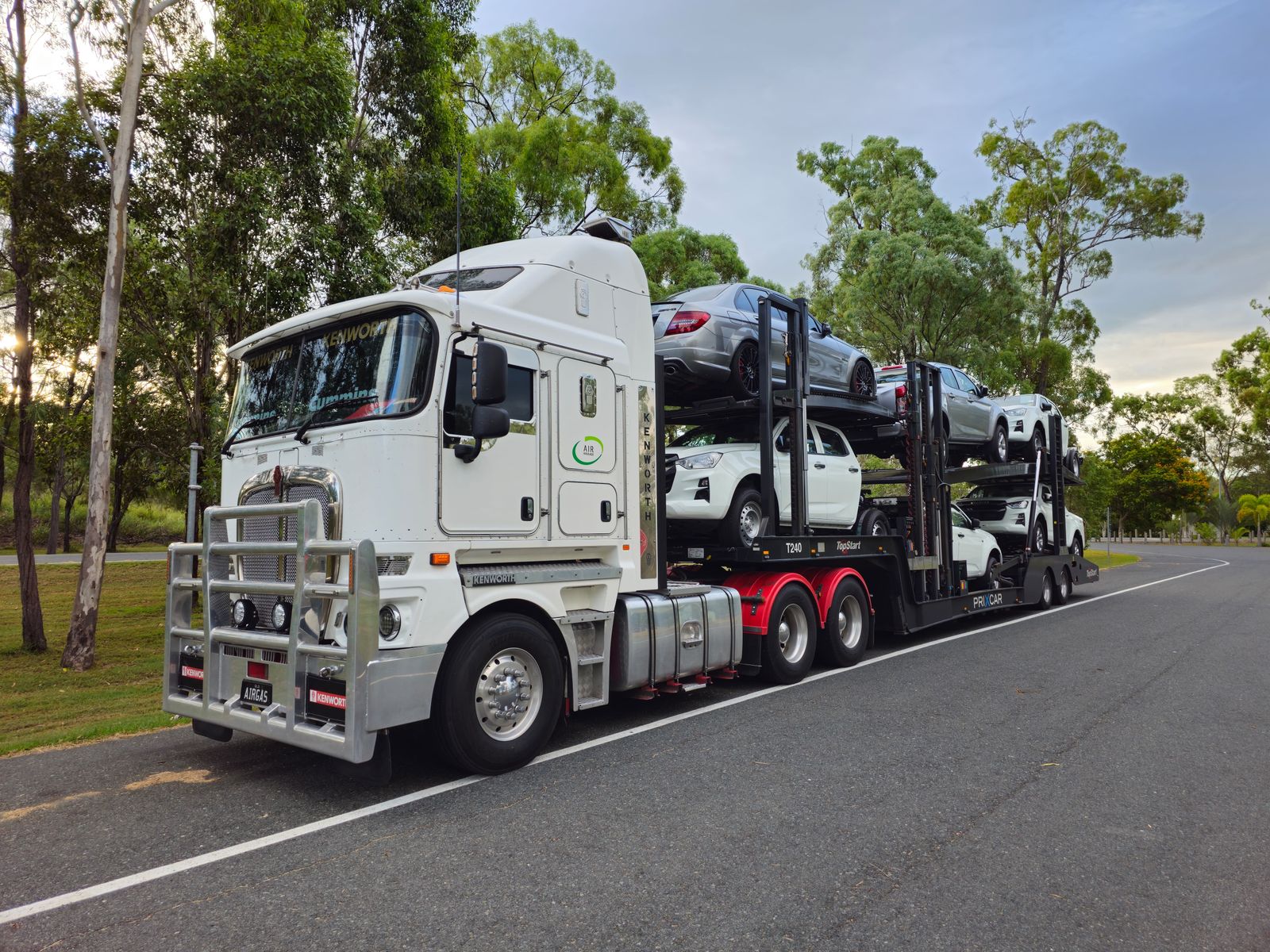
- Auto transport has the widest gap: a carrier base of small fleets, a fragmented toolset, and a fully-automated broker on the other side of every negotiation.
- Loadful.ai is built as the auto transport OS to close that gap — from the carrier's side of the table.
A Loadful.ai case study on the uneven adoption of artificial intelligence across the freight brokerage ecosystem — and what it means for the dispatchers and carriers hauling the freight.
The two-speed industry
Walk into a mid-sized freight brokerage in 2026 and you'll find AI quietly running large portions of the operation. Pricing engines benchmark every lane in real time. Machine learning models score carriers on proximity, equipment, on-time history, and safety record before a human ever picks up the phone. Document automation reads rate cons and BOLs, flags mismatches, and pushes invoices toward payment in minutes instead of days. Fraud detection systems screen for double brokering, identity theft, and fake carrier profiles before a load is ever tendered.
Now walk into the cab of the truck actually moving that freight — or the home office of the dispatcher booking it. You'll likely find a very different picture: load boards refreshed manually every few minutes, rates negotiated from gut feel, hours-of-service tracked in one app while routing lives in another, and a dispatcher juggling phone calls, texts, and emails to keep three trucks rolling.
This is the AI gap in freight. One side of every transaction is increasingly algorithmic. The other side is still largely analog. And the side with the algorithms is, unsurprisingly, capturing more of the margin.
How brokers are using AI today
The broker side has moved fast, and recent industry data shows why. A Truckstop analysis found that more than 40% of brokers plan to deploy AI or machine-learning productivity tools in 2026, applying them to four core workflows: quoting, risk detection, document processing, and response speed. In a market where the first qualified response often wins the load, brokers are using AI to draft replies that pull live load details straight from their TMS — even after hours.
The practical broker-side stack now includes:
- Dynamic pricing and load matching. AI models ingest current shipments, truck availability, historical performance, and market demand to price lanes and match capacity in real time — minimizing empty miles and maximizing asset utilization far faster than any manual process.
- Carrier vetting and fraud detection. With double brokering and carrier identity theft costing the industry hundreds of millions annually, brokers lean on AI to flag suspicious patterns — mismatched documents, inconsistent contact data, unusual payment requests — before they become losses.
- Document intelligence. AI document review checks whether entered data matches uploaded paperwork, catching incorrect amounts, missing fields, and inconsistent dates. Corrections that used to take days now take minutes.
- Performance scoring. Algorithms now decide which carrier gets the first call on a load, weighing proximity, equipment type, on-time record, and communication quality. Carriers are being ranked by machines whether they know it or not.
That last point deserves emphasis. If you run a carrier in 2026, an algorithm is already grading you. The only question is whether you have any technology on your side of the table.
If you run a carrier in 2026, an algorithm is already grading you. The only question is whether you have any technology on your side of the table.
The carrier side: underpowered and outgunned
The asymmetry isn't because carriers don't want technology. It's structural. Brokers are office-based businesses with IT budgets and data teams. The carrier side of the market — especially in auto transport — is dominated by small fleets and owner-operators running one to five trucks, where the "back office" is the driver's phone and the dispatcher is often a family member or a 7%-of-gross contractor working from a laptop.
Industry observers note that much of the technology built for carriers simply hasn't matched how small carriers actually operate: heavy implementations, new workflows, more logins, and IT requirements that a three-truck fleet doesn't have. So small carriers default to what works — phones, texts, load board refreshing, and spreadsheets — while the brokers and shippers they negotiate against operate with real-time market intelligence.
The cost of that gap shows up everywhere:
- Pricing. A dispatcher quoting from memory is negotiating against a broker quoting from a model trained on millions of historical loads.
- Utilization. Deadhead miles, missed reload opportunities, and idle hours between loads are exactly the inefficiencies AI matching was built to eliminate — but only the broker's side of the match is optimized.
- Cash flow. Manual paperwork delays invoicing, which delays payment, which strains the thin margins small carriers already run on.
- Compliance and safety. HOS planning, pre-trip documentation, and inspection readiness are still managed reactively in most small fleets, when AI could be planning routes around the 14-hour window before the truck ever leaves the yard.
Dispatchers: the wrong fight
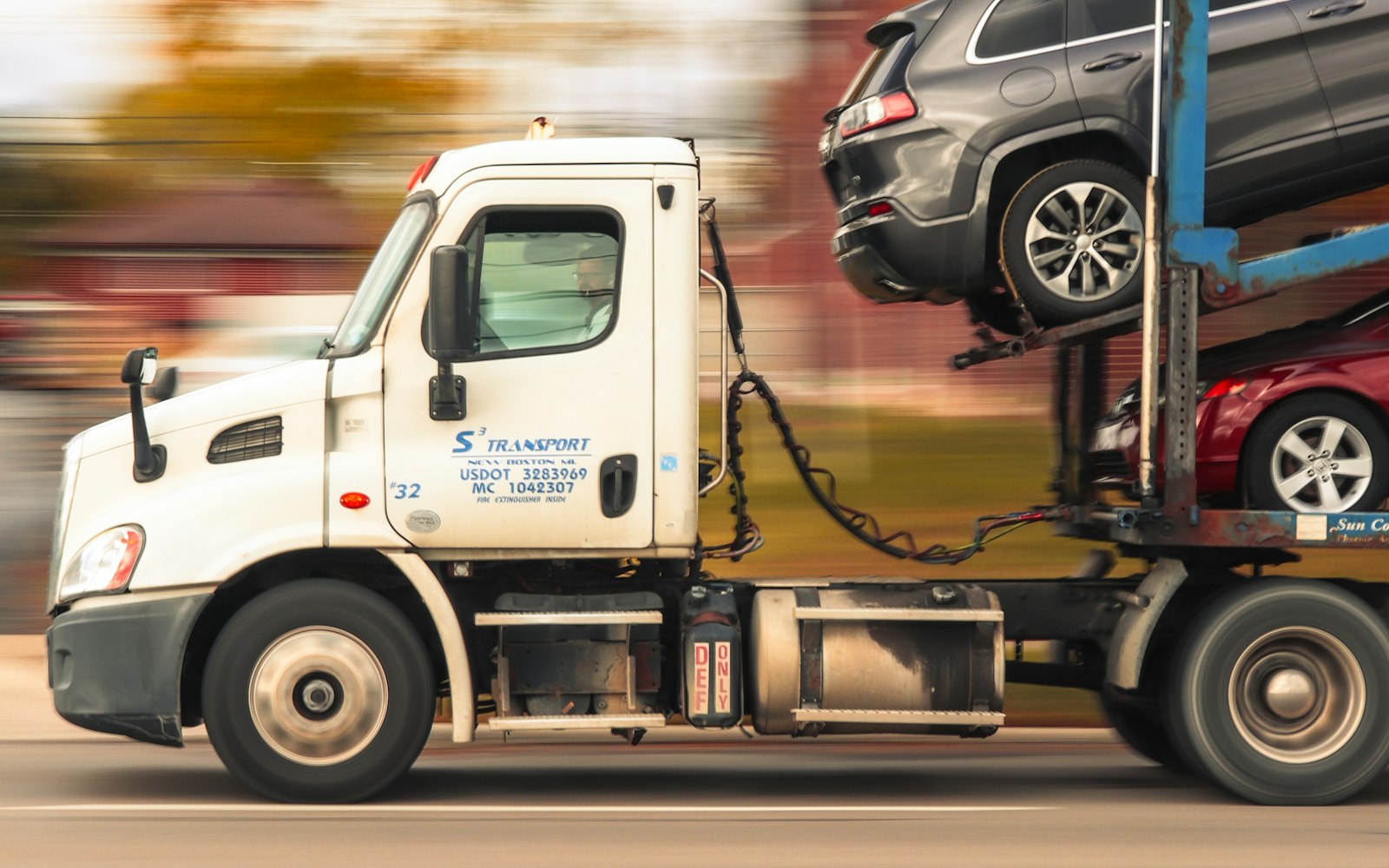
There's a real anxiety among dispatchers that AI is coming for the job, and it has produced a defensive posture: ignore the tools, distrust the algorithms, double down on the phone. That instinct is understandable — and strategically backwards.
The evidence from early adopters points the other way. The dispatcher role isn't disappearing; it's being upgraded. AI absorbs the repetitive layer of the job — load board monitoring, data entry, status updates, document chasing — while the human moves up to the work that actually requires judgment: carrier and customer relationships, exception handling, negotiation, and routing decisions where local knowledge beats any model. One dispatcher with AI assistance can manage meaningfully more trucks than one without, and for an owner-operator dispatching their own truck after a full day of driving, AI functions like a back-office employee that never sleeps.
The dispatchers who learn to work with these tools become force multipliers. The ones who fight them end up competing on hourly stamina against software that doesn't get tired. Industry analysts have been blunt about it: dispatchers relying solely on manual load board hunting are losing competitive footing as automated freight matching and AI pricing become standard.
For a small fleet, the upside of closing the gap is concrete across four dimensions:
- Efficiency. Automating load sourcing, paperwork, and status communication recovers hours per truck per week — hours that go back into booking better freight.
- Capacity. The same dispatcher, the same trucks, more loads moved. AI-assisted planning compresses the dead time between deliveries and reloads, effectively adding capacity without adding equipment.
- Safety. Route and schedule planning that respects HOS limits by design — instead of discovering at hour 13 that the delivery doesn't fit the window — reduces both violations and the pressure that causes them.
- Profitability. Better rate intelligence at the negotiating table, fewer deadhead miles, faster invoicing, and cleaner compliance all flow to the same place: the bottom line of a business where the difference between $1.50/mile and $1.70/mile is the difference between surviving and growing.
Closing the gap: the case for an auto transport OS
This is the premise behind Loadful.ai.
Auto transport is arguably the segment where the AI gap is widest. The carrier base is overwhelmingly small fleets. The workflow is fragmented across load boards, dispatch platforms, ELDs, accounting software, and group texts. And the broker side of every negotiation is increasingly automated while the carrier side runs on hustle.
Loadful.ai is built as the auto transport OS — a single operating system for the carrier side of the business, designed around how small fleets actually run:
- AI-assisted load sourcing and rate intelligence, so the dispatcher walks into every negotiation knowing what the lane is really worth — not just what the broker offered.
- Dispatch automation that handles the repetitive layer — load entry, status updates, document collection — so one dispatcher can run more trucks without burning out.
- Built-in compliance awareness, planning loads around hours-of-service reality instead of against it, keeping trucks both legal and productive.
- Unified back office, connecting dispatch, paperwork, and invoicing so the time between "delivered" and "paid" shrinks from weeks to days.
- Carrier-first design, because the tools shouldn't require an IT department to implement. If it doesn't work from a phone in a truck stop parking lot, it doesn't work.
The brokers automated first because they could. The carriers who automate next will do it because they have to — and the ones who move early will hold the same advantage over their peers that AI-equipped brokers currently hold over the entire carrier market.
The AI gap in freight is real. It's also closable. Loadful.ai exists to close it — from the carrier's side of the table.
Get on the carrier's side of the table.
Loadful.ai is the auto transport operating system — AI dispatch, rate intelligence, and back-office automation for the carriers who actually move the cars.
Get early accessFrequently asked questions
Is AI replacing freight dispatchers?
No. AI absorbs the repetitive layer of dispatch — load board monitoring, data entry, status updates, document chasing — while the human moves up to relationships, exception handling, negotiation, and routing judgment. One dispatcher with AI assistance can manage meaningfully more trucks than one without.
How are freight brokers using AI today?
Brokers apply AI to four core workflows: dynamic pricing and load matching, carrier vetting and fraud detection, document intelligence, and performance scoring that decides which carrier gets the first call on a load. More than 40% of brokers plan to deploy AI or machine-learning productivity tools in 2026.
Why are carriers behind brokers on AI adoption?
The gap is structural. Brokers are office-based businesses with IT budgets and data teams, while the carrier side — especially in auto transport — is dominated by small fleets and owner-operators running one to five trucks, where the back office is the driver's phone. Most carrier technology required heavy implementation that small fleets couldn't support.
What is an auto transport OS?
An auto transport OS is a single operating system for the carrier side of auto transport that unifies AI-assisted load sourcing and rate intelligence, dispatch automation, built-in compliance awareness, and a connected back office for paperwork and invoicing — designed to run from a phone without an IT department. Loadful.ai is built as the auto transport OS.